Video Intercom Installation
Professional Video Intercom Installation for NYC Properties
Last updated September 2026 by the Douglas Security System team, licensed and insured NYC intercom specialists with over 35 years of experience.
A video intercom lets you see who’s at the door before you let them in. For apartment buildings, it means tenants can screen visitors and couriers from a screen or their phones. For houses, it means you can answer the door from the kitchen, the bedroom, or the office across town. For businesses, it means staff can check visitors without walking to the entrance.
Douglas Security System (DSS) has installed and repaired intercom and security systems in New York for over 35 years. We install video intercoms in apartment buildings, co-ops, condos, private houses, townhouses, offices, and storefronts across Brooklyn, Manhattan, Queens, the Bronx, Staten Island, and Long Island. Every installation starts with a free on-site survey and a clear quote. Call (212) 262-2820 to schedule one.
What Is a Video Intercom System?
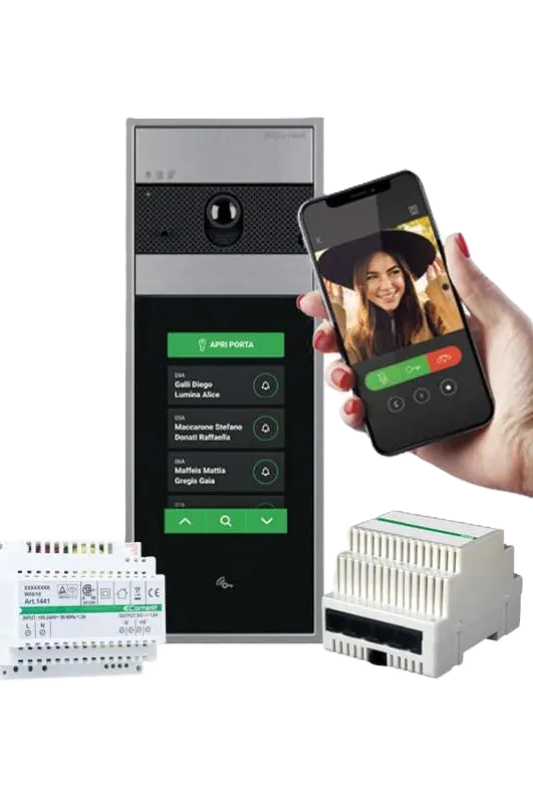
A video intercom has a few main parts, and a good installation gets each one right:
- Entrance panel: The unit at the door with a camera, a microphone, a speaker, and call buttons, a keypad, or a touch screen directory.
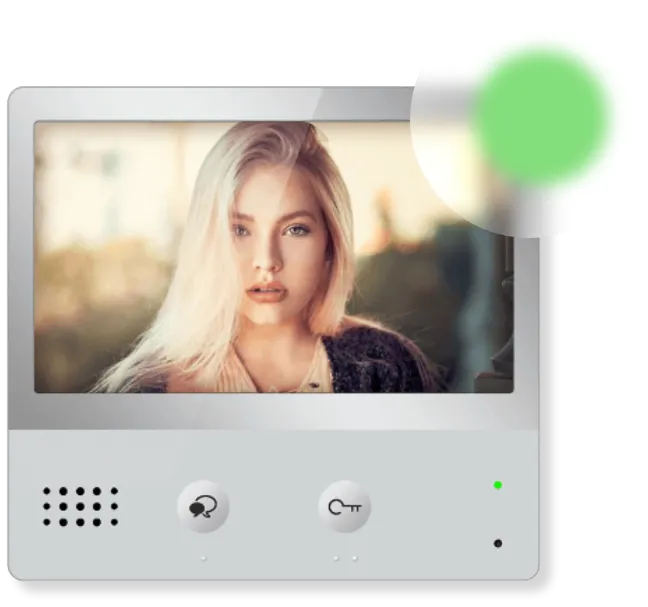
- Indoor stations or monitors: Screens inside each apartment, house, or office where people see and talk to visitors.
- Phone app: Many systems let residents answer the door from their phones, even when they’re away.
- Door release: An electric strike or magnetic lock that opens the door when someone presses the release button.
- Power supply and controller: The equipment that powers the system and routes calls.
- Network gateway: On app-enabled systems, the device that connects the intercom to the internet.
If any one of these is undersized or poorly installed, the whole system suffers. That’s why we plan the full system, not just the panel at the door.
Which Type of Video Intercom Fits Your Property?
There are three common types of video intercom, and each suits different buildings:
- Wired video systems: The entrance panel and indoor stations connect over dedicated intercom wiring. They’re reliable, don’t depend on Wi-Fi, and work well in buildings where wiring can be run or already exists.
- IP and PoE systems: The panel and stations connect over network cable, often powered through the same cable (Power over Ethernet). They’re flexible and easy to expand, and they fit well in new construction and offices.
- Cloud-connected systems: The panel connects to the internet so residents can answer on their phones and managers can update directories online. Some charge ongoing fees, so ask about total cost.
Many NYC buildings end up with a hybrid: a new video entrance panel with phone access that works alongside the existing apartment units. If that’s your situation, read our guide to converting an audio intercom to video. For brand-new systems, we’ll recommend the type that fits your wiring, budget, and how your building is used.
Video Intercom Installation for Apartment Buildings
Apartment buildings need a system that handles many apartments, heavy daily use, and a steady stream of deliveries. When we install a video intercom in a multi-tenant building, we plan for:
- The tenant directory: A touch screen or scroll directory so visitors can find the right apartment, and easy updates when tenants move.
- Apartment stations or app access: Video monitors in each unit, phone access, or both.
- Several entrances: Lobby doors, side doors, and gates tied into one system.
- Deliveries: Temporary codes or remote release so couriers can get in without buzzing strangers.
- Durability: Stainless steel or vandal-resistant panels for busy entrances.
For large buildings, a multi-tenant system like the Aiphone GT Series with GT-1C7 tenant stations is a common choice. For co-ops and condos that want a touch screen and phone access, the Comelit Ultra Touch is popular.
Video Intercom Installation for Private Houses and Townhouses
For a house, a video intercom replaces the old doorbell or buzzer with a camera at the door and a screen inside. A typical installation includes one outdoor door station, one or two indoor monitors, app access for your phone, and, if you want it, an electric strike or gate release so you can open the door remotely.
A durable, vandal-resistant door station like the Aiphone JP-DV is a common choice for houses and small buildings. Two-family homes get a separate call button and monitor for each unit, so each household answers only its own visitors. Townhouses with a front gate can add a gate station with remote release.
Video Intercom Installation for Offices and Commercial Buildings
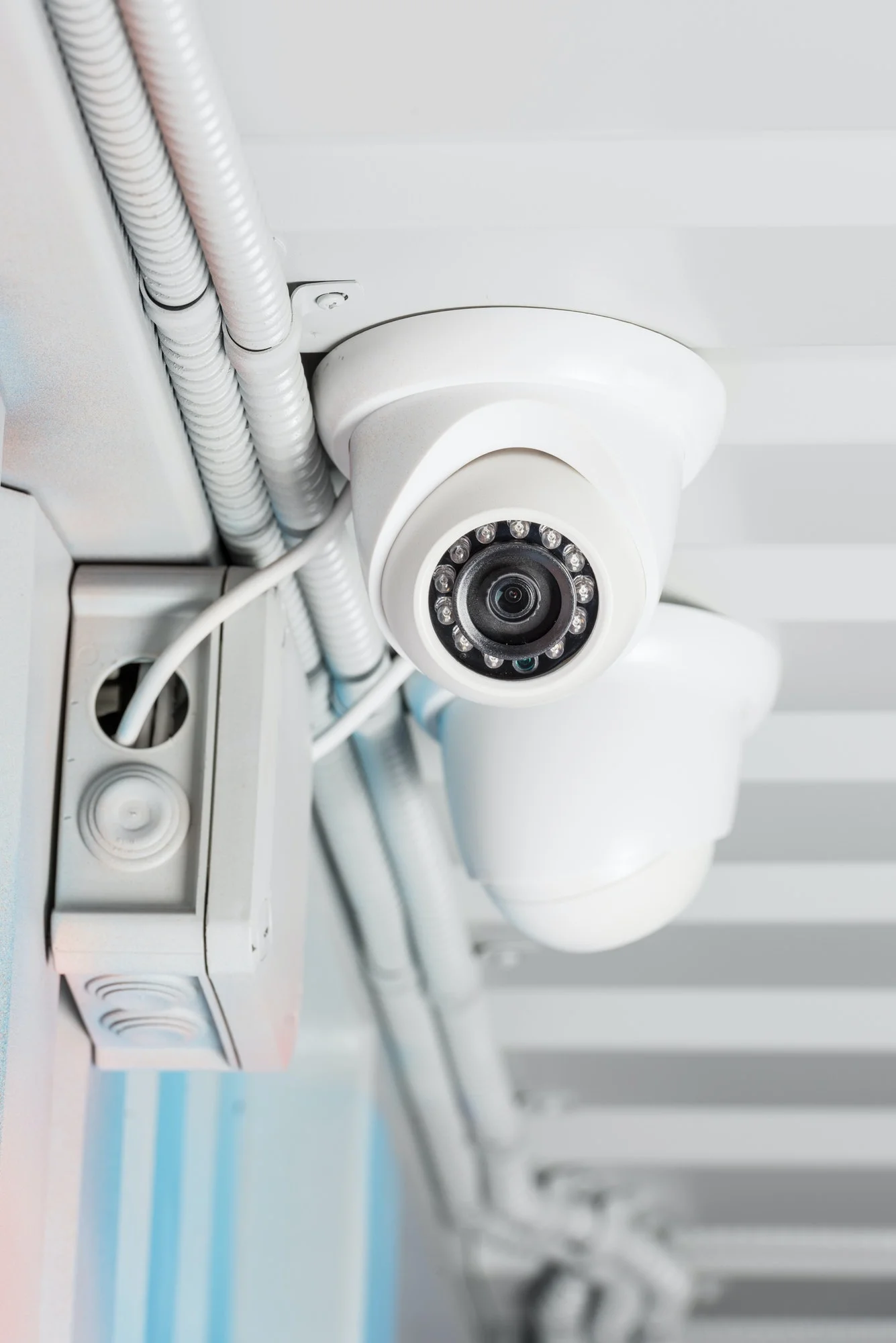
Offices, medical practices, and storefronts use video intercoms to screen visitors before opening the door. A commercial installation often includes a video entrance panel, a desk station or app for the front desk, and integration with keypads or card readers for staff. Many businesses also add security cameras at the entrance so there’s a record of who comes and goes.
For small offices, a keypad like the Aiphone AC-10S keypad next to the video panel lets staff enter with a code while visitors call in. For larger sites, we can connect several doors so one person can manage all the entrances from one place.
Planning a Video Intercom for New Construction or a Gut Renovation
New construction and gut renovations are the best time to install a video intercom, because walls are open and cable can be run cleanly. If you’re building or renovating, bring us in early:
- Pre-wire before the walls close. We tell your contractor or electrician exactly what cable to run and where.
- Plan the network. IP systems need network cable, switches, and a location for the equipment.
- Coordinate door hardware. The door, frame, strike, and closer should be chosen with the intercom in mind.
- Leave room to grow. Extra cable and capacity cost little during construction and a lot afterward.
- Schedule the finish work. Panels and monitors go in near the end of the project, after painting.
Planning early usually means a cleaner installation, fewer change orders, and a system that’s ready on move-in day.
Which Video Intercom Brands Do We Install?
We install systems from brands we trust and know how to service:
We’ll recommend a brand and model based on your property, not on what’s easiest for us to sell.
Which Video Intercom Features Should You Consider?
Modern video intercoms can do a lot. These are the features our customers ask about most:
- Phone access: Answer the door and open it from anywhere.
- Touch screen directory: Easier for visitors and easier to update than printed name cards.
- Temporary and delivery codes: Let couriers, cleaners, or contractors in without handing out keys.
- Keypad, key fob, or QR code entry: For residents and staff.
- Facial recognition: Available on some systems for hands-free entry.
- Camera control: Some tenant stations can pan, tilt, and zoom the entry camera.
- Call logs and recording: Useful for property managers who want a record of visitors.
- Night vision: A clear picture at the door after dark.
You don’t need every feature. We’ll help you choose the ones that matter for your building and budget.
What Do We Check During the Site Survey?
A good installation starts with a careful survey. When we visit, we check:
- The number of apartments, units, or offices, and the number of entrances and gates
- The condition and type of any existing intercom wiring
- Where the entrance panel will mount, including sun, rain, and lighting at the door
- The door, frame, strike, and closer, and whether the door locks reliably
- Power sources and where the equipment can be installed
- Internet access and network equipment for app-enabled systems
- Any building rules, board approvals, or landmark issues
After the survey, you get a written quote with the equipment, the work, and the price, plus options when there’s more than one good way to do the job.
Our Video Intercom Installation Process, Step by Step
- Free survey and quote: We inspect the property and give you a clear written price.
- Scheduling: We plan the work around residents, staff, or your contractor’s schedule.
- Wiring and preparation: We run or test cable, install power, and prepare the door hardware.
- Mounting: We install the entrance panel, indoor stations, and equipment.
- Programming: We set up the directory, codes, apps, and door release timing.
- Testing: We test every apartment or station, the door release, and the app connections.
- Handover: We show the super, manager, or homeowner how the system works and how to add or remove users.
How Long Does Video Intercom Installation Take?
It depends on the size of the property and how much wiring is needed. A video door station for a private house is often installed in one visit. A new entrance panel for a small building that can reuse good wiring may take a day or two of on-site work. Full systems in large buildings, or installs that need new cable to every apartment, take longer and are usually scheduled in stages to keep the entrance working. We give you a timeline with your quote, so you know what to expect before we start.
How Much Does Video Intercom Installation Cost in NYC?
Prices depend on the number of units and entrances, the equipment, the condition of the wiring, and the door hardware. Here are average NYC ranges from published installer pricing:
- Video door station for a private house: about $700 to $1,600 installed
- Video intercom for a small building with one entrance: about $4,000 to $5,000 or more
- IP or cloud-based intercom: about $2,500 to $7,000 per door, fully installed
- Electric door strike: about $250 to $800 installed
These are average New York prices, not a fixed price list from DSS. We give you a free quote after the survey. For more detail, see our intercom cost guide, and ask about our no monthly fee intercom systems.
Intercom Rules and Approvals in NYC
In New York City, class A multiple dwellings built or converted after January 1, 1968, with eight or more apartments must have a working intercom with two-way voice and a door release from each apartment. The rule comes from Section 50-a of the New York Multiple Dwelling Law. Older buildings must add one when a majority of tenants request it in writing. A video system meets this requirement as long as the voice and door release work from each apartment. Read more about NYC intercom requirements.
Other approvals to plan for:
- Landmarks: Exterior changes on designated landmarks or in historic districts may need approval from the NYC Landmarks Preservation Commission.
- Co-op and condo boards: Many boards review the equipment, the panel finish, and the schedule before work starts.
- Building management: Managing agents often require insurance paperwork and set work hours from contractors.
Add Access Control and Cameras During Installation
The best time to add access control and cameras is during the intercom installation, when the technician is already on site and cable can be run at the same time. Common additions include keypads like the Aiphone AC-10S keypad, key fob and card readers for residents and staff, and security cameras at entrances, lobbies, mailrooms, and package areas. Tying them together gives you one system to manage instead of three.
Warranty and Support After Installation
On Comelit video intercom installs, we offer a 3-year guarantee on Comelit material and a 1-year guarantee on service and labor. Other brands come with the manufacturer’s warranty, and we explain exactly what it covers before we start. After installation, you have one company to call for questions, changes, and intercom repair. We also help when you need to add users, update the directory, or add another entrance later.
Why NYC Property Owners Choose DSS for Video Intercom Installation
- Licensed and insured, so your property is protected while we work.
- Over 35 years of intercom and security work in New York.
- Certified technicians who install and service audio, video, and app-based systems.
- Honest recommendations: We suggest the system that fits your property, including options that reuse existing equipment.
- Free surveys and clear quotes before any work starts.
- One company for intercoms, cameras, access control, locks, and cabling.
- A local office at 1541 E 46th Street in Brooklyn. Learn more about DSS.
Video Intercom Installation FAQs


