Intercom Repair and Installation Across Queens
Queens has some of the most varied housing in New York. For example, you will find garden apartment co-ops, six-story elevator buildings, high-rise condos, two-family homes, and busy storefront corridors. Douglas Security System (DSS) repairs and installs intercoms across Queens. We’ve also worked on New York intercom systems for over 35 years.
One of our customers, a property manager for an apartment complex in Queens, hired us to upgrade the building’s intercom and surveillance system. The customer was happy with both the work and the pricing. So whether you need one apartment station replaced or a full video upgrade, call (212) 262-2820 for a free quote.
What Kinds of Queens Buildings Do We Work On?
- Garden apartment co-ops: These are low-rise complexes with several separate entrances, so each one needs its own panel and door strike.
- Six-story elevator buildings: They are common in neighborhoods like Forest Hills, Rego Park, Kew Gardens, and Jackson Heights. Many still have older audio systems.
- High-rise condos and rentals: Newer buildings in areas like Long Island City also expect video and app-based entry.
- Two-family and multi-family homes: These houses have separate entrances for each unit.
- Storefronts and commercial spaces: Shops and offices along busy commercial streets.
- Apartment complexes: Larger properties with multiple buildings and shared management.
What Intercom Problems Are Common in Queens?
- Multiple entrances: Garden complexes and large buildings often have several doors. One failing panel or strike can leave part of the building unsecured.
- Aging audio systems: Many mid-century elevator buildings still run their original-style audio intercoms. Parts for them are hard to find.
- Long cable runs between buildings: Complexes with separate buildings sometimes share one system. Long runs are more exposed to damage.
- Package theft: Buildings with busy lobbies want a better way to handle deliveries.
- Weather exposure: Rain and snow hit courtyard and garden entrances.
See our intercom repair page for common fixes. If your system is due for replacement, read our guide to audio-to-video upgrades.
How We Handle Multi-Building Complexes in Queens
Queens has many properties with more than one building or several entrances. Those need a plan that covers the whole site:
- Inventory every door. We list each lobby, side door, courtyard gate, and garage entrance. Then we check which ones have intercom, keypad, or camera coverage.
- Check the connections between buildings. Where buildings share a system, the cable between them is often the weak point. So we test it before recommending repairs.
- Prioritize. If the budget doesn’t allow everything at once, we start with the main entrances. Next come the doors with the most problems.
- One system to manage. We aim for one directory and one app across the property. That way, management can add or remove residents in one place.
This approach works for garden co-ops, rental complexes, and condo associations. It also keeps future repairs simple, because every entrance uses the same parts.
Intercom and Security Services in Queens
- Intercom repair: dead buzzers, entrance panels, apartment units, door releases, power supplies, and wiring. See intercom repair.
- Intercom installation: new audio and video systems for houses, apartment buildings, and offices. See video intercom installation.
- Video upgrades: audio-to-video upgrades that often reuse existing wiring and apartment units.
- Access control: keypads, key fobs, and card readers for lobbies, gates, and service doors.
- Security cameras: HD and IP cameras with remote viewing.
- Door strikes and locks: electric strikes, closers, and smart locks that keep the entrance secure.
See all of our services.
Which Intercom Systems Work Well in Queens Buildings?
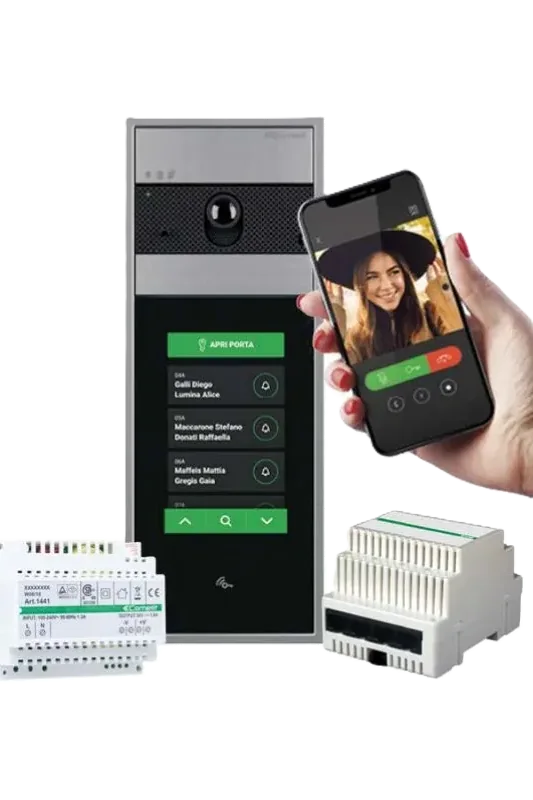
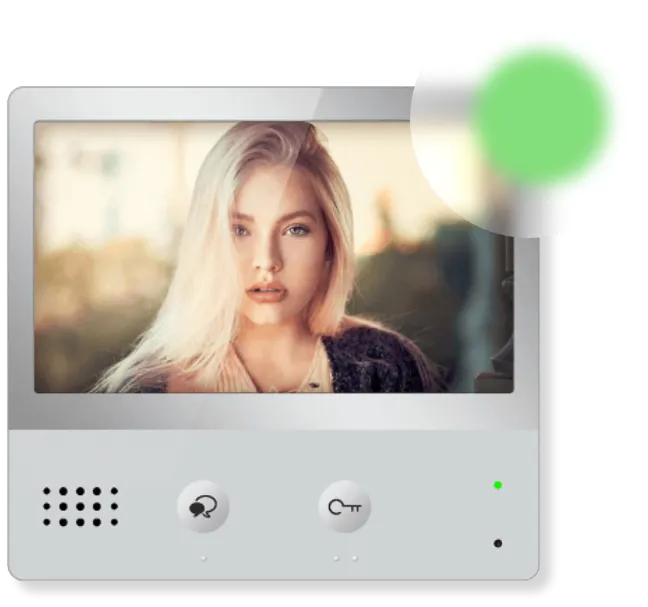
Garden complexes often have several entrances. For those, we usually recommend one system that ties all entrances together. Then tenants and management deal with one app and one directory. The Comelit Ultra Touch works well for this. It can also often reuse existing apartment units. For six-story elevator buildings with many apartments, the Aiphone GT Series is a reliable multi-tenant choice. For two-family homes, a video door station like the Aiphone JP-DV with app access keeps things simple.
Add a Aiphone AC-10S keypad at side and courtyard gates. Also put security cameras at the main entrances.
Tips for Queens Co-ops and Garden Complexes
- Map every entrance. List each door, gate, and courtyard entrance before getting quotes, so nothing is left out.
- Standardize the equipment. Using the same panels and strikes at every entrance makes repairs faster and cheaper.
- Plan for deliveries. Temporary access codes and a camera at the package area reduce theft.
- Budget over time. Upgrading one entrance at a time is possible if you choose a system that can grow. See our intercom cost guide.
What Does an Intercom Cost in Queens?
Prices depend on the building, the number of apartments and entrances, and the condition of the wiring. Most single repairs cost about $250 to $600. For example, these include replacing one apartment unit or fixing a door release. A video intercom for a small building with one entrance typically costs about $4,000 to $5,000 or more. Still, these are average New York prices, not a fixed price list. See our intercom cost guide for more detail, and ask about our no monthly fee systems.
Intercom Requirements in Queens
How Does Service Work in Queens?
- Call or send a message with the address and what’s happening.
- Free inspection: a technician checks the panel, wiring, power supply, door strike, and apartment units.
- Clear quote before any work starts, with options when a repair and an upgrade both make sense.
- Repair or installation, then we test every unit and the door release.
- Support afterward. Call us any time something isn’t working right.
Queens Neighborhoods We Serve
We serve all of Queens, including:
- Astoria, Long Island City, and Sunnyside
- Jackson Heights, Elmhurst, and Woodside
- Forest Hills, Rego Park, and Kew Gardens
- Flushing, Bayside, and Whitestone
- Fresh Meadows and Oakland Gardens
- Jamaica, Richmond Hill, and South Ozone Park
- Ridgewood, Middle Village, and Maspeth
- Howard Beach, Ozone Park, and the Rockaways
If your Queens property sits near a borough line, we cover it too. For example, we cover Ridgewood near Bushwick and Glen Oaks near Nassau County. Just call with the address.
We also serve Brooklyn, Manhattan, the Bronx, Staten Island, and Long Island.
See all of our service areas.
Why Property Owners in Queens Choose DSS
- Licensed and insured, so your property is protected while we work.
- Over 35 years of intercom and security work in the New York area.
- Certified technicians trained on audio, video, and app-based systems.
- Repair first: we only recommend a replacement when it saves you money.
- Free quotes and clear prices before any work starts.
- A local office at 1541 E 46th Street in Brooklyn. Learn more about DSS.
Repair vs. Retrofit: Options for Queens Buildings
Many Queens co-ops and elevator buildings have audio systems that still partly work. You usually have three options:
- Repair: Fix the failed parts when most apartments work and parts are available.
- Retrofit: Replace the entrance panel with a video unit, while you keep the existing apartment units and wiring. See our audio-to-video upgrade.
- Full replacement: Install new panels and new stations in every apartment. This is best when wiring is badly damaged or tenants want video screens in each unit.
After an inspection, we’ll quote the options side by side. That way, the board or owner can decide with real numbers.
Two- and Three-Family Homes in Queens
Neighborhoods like Astoria, Woodside, Ridgewood, and Richmond Hill have many two- and three-family homes. These often have a separate entrance or a shared vestibule. Each unit needs its own button and door release. Ideally, it also has its own monitor or app access. We install video door stations like the Aiphone JP-DV. Then we wire each unit separately, so tenants and owners only answer their own visitors.
For Queens Property Managers and Co-op Boards
- Standardize across entrances so one set of parts fixes every door.
- Plan deliveries with temporary codes and a camera over the package area.
- Keep a repair log for each entrance and line of apartments.
- Budget over five to ten years, including any monthly fees. See our intercom cost guide.
Deliveries and Package Theft in Queens Buildings
Busy lobbies in Jackson Heights, Elmhurst, and Flushing see a steady flow of couriers. When tenants can’t answer the buzzer, packages pile up or strangers get buzzed in. So a video intercom with phone access and temporary delivery codes lets tenants handle deliveries from anywhere. Plus, a camera over the package area adds a record of every drop-off.
Intercoms for Queens Storefronts and Offices
Queens has busy commercial corridors along Northern Boulevard, Queens Boulevard, Main Street, and Jamaica Avenue. Shops, medical offices, and professional offices use video intercoms to screen visitors before opening the door. They also use keypads like the Aiphone AC-10S keypad for staff entry. We install and repair these systems, and then connect them to cameras at the door.
Security Cameras for Queens Complexes
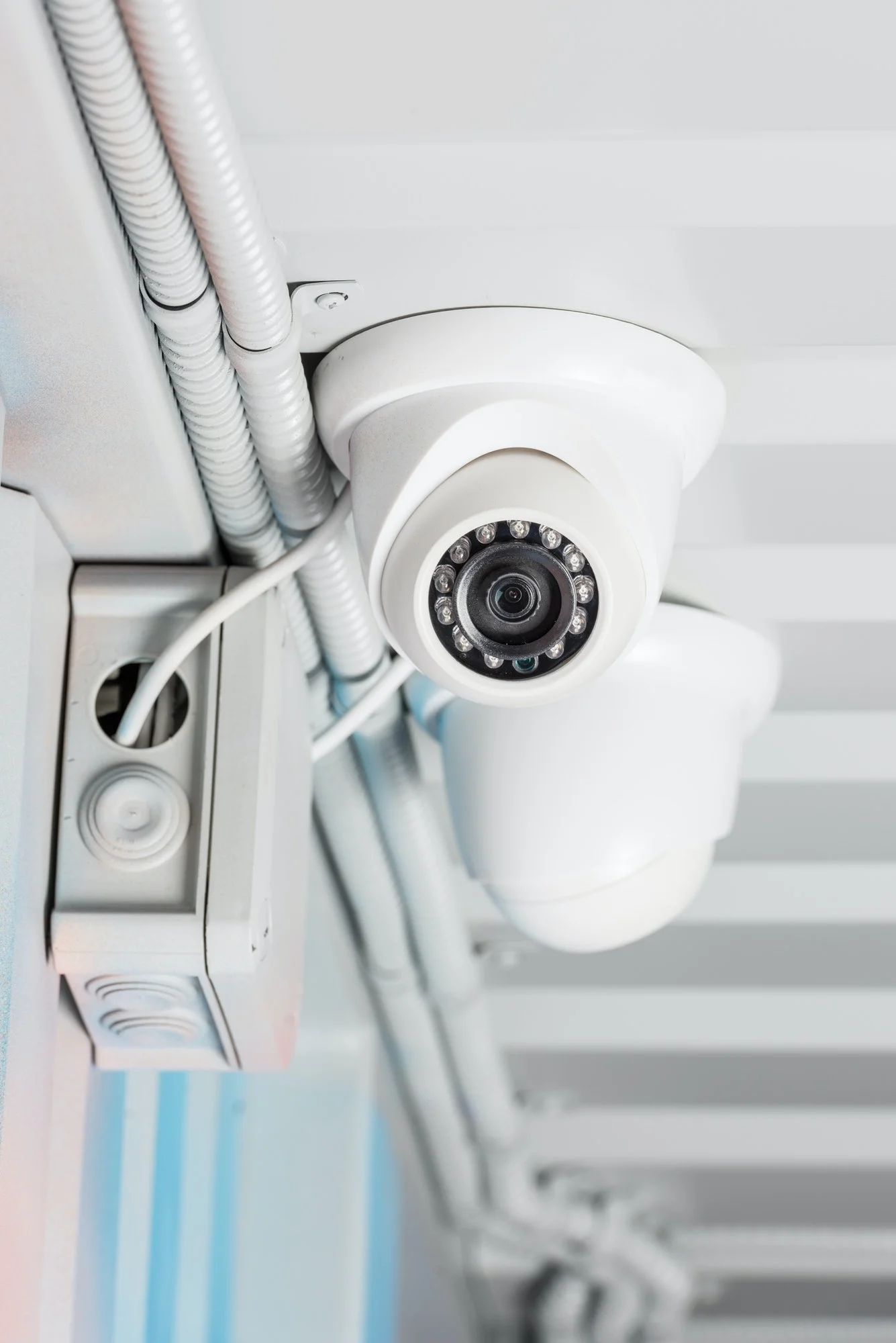
Garden complexes and multi-building properties often need cameras at every entrance, in courtyards, and in parking areas. First, we plan coverage for the whole property. Then we set up viewing so management can see every building from one app. See our security cameras.
What Queens Tenants Should Do When the Intercom Breaks
Report the problem to management in writing, with your apartment number and what happens when you use the intercom. Check whether neighbors have the same problem, because that helps the technician find the cause faster. If a broken intercom isn’t repaired, tenants can contact NYC 311.
Queens Intercom FAQs


