Door Buzzer Repair for NYC Apartments, Houses, and Offices
Last updated September 2026 by the Douglas Security System team, licensed and insured NYC intercom specialists with over 35 years of experience.
When the door buzzer stops working, the whole entrance stops working. Tenants can’t let in guests, couriers leave packages outside, and people start propping the door open, which defeats the lock completely. In an office, staff end up walking to the door every time someone arrives.
Douglas Security System (DSS) repairs door buzzers and door release systems across Brooklyn, Manhattan, Queens, the Bronx, Staten Island, and Long Island. We’ve worked on New York intercom and entry systems for over 35 years, so we’ve seen almost every kind of buzzer failure, from a single dead button to a building where no one can buzz anyone in. Call (212) 262-2820 for a free quote.
How Does a Door Buzzer System Work?
A door buzzer looks simple, but it’s a chain of parts, and a failure anywhere in the chain stops the door from opening:
- The call button: A visitor presses a button on the entrance panel, which rings the apartment, house, or office.
- The apartment station: The tenant hears the call, often talks to the visitor, and presses the door release button.
- The wiring: The release signal travels through the building’s intercom wiring to the entrance.
- The power supply or transformer: This powers the system. Most buzzer systems run on low-voltage power.
- The relay or controller: On many systems, a relay switches power to the door when someone presses release.
- The electric strike or magnetic lock: The device in the door frame that lets the door open when it gets power, or when power is cut, depending on the type.
When we repair a buzzer, we test each link in this chain. That’s how we find the real cause instead of replacing parts until something works.
Door Buzzer Problems We Fix, and What Usually Causes Them
- The buzzer doesn’t ring in one apartment: Usually a failed apartment station, a stuck or broken button, or a break in the wire to that unit.
- No buzzer rings anywhere: Often a dead transformer or power supply, a blown fuse, or a failed amplifier or entrance panel.
- The tenant presses release, but the door won’t open: Usually a worn electric strike, a failed relay, a loose wire at the strike, or a door that’s out of alignment.
- The door buzzes, but you have to push hard to open it: The door is pressing against the strike. A misaligned door, a swollen frame, or a weak closer is often the cause.
- The buzzer sounds constantly or won’t stop: A stuck button, a shorted wire, or water inside the panel.
- The buzz is weak or short: A power supply that’s wearing out, an undersized transformer, or a strike drawing too much power.
- It works in dry weather but fails when it rains: Moisture in the panel or corroded wiring in a damp basement or riser.
- The door doesn’t lock after closing: A strike stuck open, a wiring fault keeping it powered, or a closer that doesn’t pull the door shut.
Troubleshooting a Door Buzzer: What to Check First
Before you call, a few simple observations help us fix the problem faster. You don’t need tools for any of these:
- Is it one apartment or everyone? Ask a neighbor to buzz the door. If their release works, the problem is likely in your apartment station or its wire.
- Do you hear a click or buzz at the door? If the strike buzzes but the door won’t open, the problem is likely at the door itself. If there’s no sound at all, the problem may be power or wiring.
- Does the door open if you push it while someone buzzes? If yes, the door is binding against the strike and may need adjusting.
- Did anything change recently? Renovations, a new door, water leaks, or storms are common triggers.
- Is the door closing all the way? A door that doesn’t latch can look like a buzzer problem.
Please don’t open the transformer, the power supply, or the entrance panel yourself. Some buzzer transformers connect to building power, and a wrong connection can damage the whole system.
Electric Strikes, Magnetic Locks, and Door Releases
Many door buzzer problems are really door hardware problems. There are two main kinds of electric locking hardware:
- Electric strikes: These replace the strike plate in the door frame. When the tenant presses release, the strike lets the latch through so the door opens. Fail-secure strikes stay locked if the power fails, and fail-safe strikes open if the power fails.
- Magnetic locks: A magnet holds the door closed until power is cut. Maglocks need a way to open the door from inside, and fire and building code requirements apply, so they must be installed and wired correctly.
Electric strikes wear out, especially on heavy entrance doors that get slammed hundreds of times a day. Strikes also fail when the door sags, the frame shifts, or the closer is too strong or too weak. When we replace a strike, we also check the door, the closer, and the alignment, so the new strike doesn’t fail for the same reason.
Door Buzzer Repair for Apartment Buildings
In apartment buildings, the buzzer is usually part of the intercom system. Buildings with older 5-, 4-, and 3-wire audio intercoms often need parts like a PK-543A intercom amplifier or a 8870.1 handset apartment station, and we carry common parts so many repairs are finished in one visit. Newer buildings may have video panels, keypads, or app-based entry that also control the door release.
For landlords and managing agents, we track down whether a problem affects one apartment, one line of apartments, or the whole building, then fix it and test every apartment before we leave. When a system is beyond repair, we’ll explain replacement options, including an upgrade from audio to video that can reuse existing wiring. For broader intercom problems, see our intercom repair page.
Door Buzzer Repair for Private Houses and Two-Family Homes
In houses, the buzzer is often a simple doorbell with a separate door release, or a small intercom with one door station. Two-family homes usually have a button and release for each unit. Common problems include a dead doorbell transformer, a worn button, a broken release button inside, and a strike that no longer opens the front door or gate.
If your house buzzer is old and you’d like to see who’s at the door, we can replace it with a video door station like the Aiphone JP-DV, with an indoor monitor and phone access. See our video intercom installation page for details.
Door Buzzer Systems for Offices and Storefronts
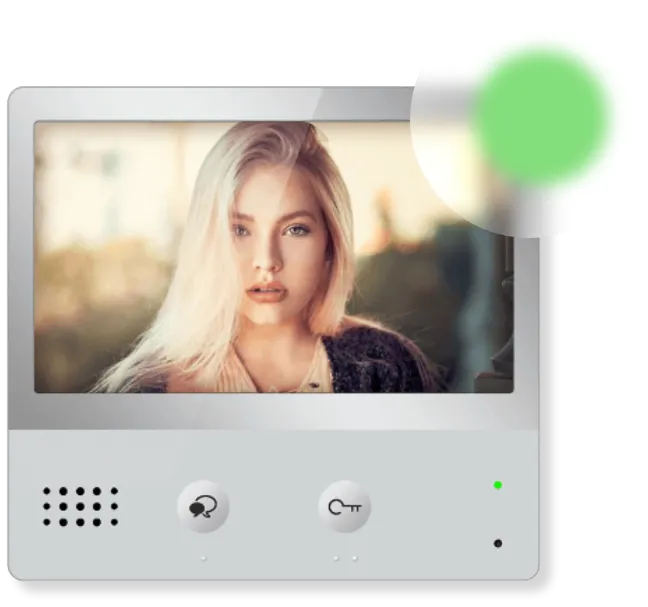
Many offices, medical practices, and shops use a buzz-in system: a button at the front desk that opens the door after staff see the visitor. When the desk button stops working, the door either stays locked for everyone or has to be left open. We repair desk release buttons, strikes, and power supplies, and we can add a camera or video station so staff see visitors before buzzing them in. For staff entry, a keypad like the Aiphone AC-10S keypad lets employees enter with a code while visitors still buzz in.
Buzzers for Gates, Side Doors, and Vestibules
Many NYC properties have more than one door on the buzzer system: an outer gate, a vestibule door, a side or service entrance, or a courtyard door. Each one has its own strike and wiring, so one door can fail while the others keep working. Gates are especially exposed to weather and heavy use, and gate strikes often need weather-rated hardware. When we repair a buzzer at a property with several doors, we test every door on the system, not just the one that was reported, so a second failure doesn’t show up a week later.
Is a Working Door Buzzer Required in NYC?
In many buildings, yes. Under Section 50-a of the New York Multiple Dwelling Law, class A multiple dwellings built or converted after January 1, 1968, with eight or more apartments must have an intercom with two-way voice communication and a door release from each apartment. Older buildings must add one when a majority of tenants request it in writing. When the door release doesn’t work, the building may not meet this requirement, and tenants can report the problem through NYC 311.
If the city issues an HPD violation, the owner must correct it within the required time and certify the correction. Read more in our guide to NYC intercom requirements.
What Tenants Should Do When the Buzzer Stops Working
- Tell the super or landlord right away, in writing if possible, and include which apartment and what happens when you press the buttons.
- Check whether neighbors have the same problem, so the landlord knows if it’s one apartment or the whole building.
- Don’t prop the entrance door open. It puts everyone in the building at risk.
- Don’t try to repair building wiring or equipment yourself. The system belongs to the building, and repairs should be done by a technician.
- If it isn’t fixed, tenants can contact NYC 311 about the problem.
What Landlords and Property Managers Should Know
- Act quickly. A broken door release is a security issue for every tenant and can lead to complaints and violations.
- Keep a record of repairs, dates, and which apartments were affected. It helps show when problems were fixed.
- Look for patterns. Repeated failures at the same strike or on the same line of apartments usually point to one underlying cause.
- Check the door, not just the buzzer. Doors that slam, sag, or don’t close fully destroy strikes.
- Plan ahead for old systems. If parts are hard to find, budget for an upgrade before a breakdown forces a rushed decision.
How Much Does Door Buzzer Repair Cost in NYC?
Prices depend on what failed and how hard it is to reach. Here are average NYC ranges from published installer pricing:
- Diagnostic visit: about $150 to $300
- Single repair, like one apartment station or a door release: about $250 to $600
- Electric door strike, installed: about $250 to $800
- Replacing an entry panel or power supply: about $500 to $1,500
These are average New York prices, not a fixed price list from DSS. We give you a clear quote before any work starts. See our intercom cost guide for more detail.
Our Door Buzzer Repair Process
- Tell us what’s happening: Call or send a message with the address and the symptoms.
- Inspection: A technician tests the buttons, apartment stations, wiring, power supply, relay, and strike.
- Clear quote: You approve the price before we start, with options if a repair and an upgrade both make sense.
- Repair: We replace the failed parts and adjust the door and strike if needed.
- Testing: We test the buzzer and release from every affected apartment or station, and check that the door locks after it closes.
How to Keep Your Door Buzzer Working Longer
- Keep the door adjusted. A closer that shuts the door gently and fully protects the strike.
- Protect the entrance panel from water. A hood or a covered mount helps on exposed entrances.
- Fix leaks near wiring. Water in basements and risers is a common cause of buzzer failures.
- Tell contractors where the wires run. Renovations often cut buzzer wiring by accident.
- Don’t ignore early signs. A weak or slow buzz usually means a part is close to failing.
When Is It Time to Replace the Buzzer System?
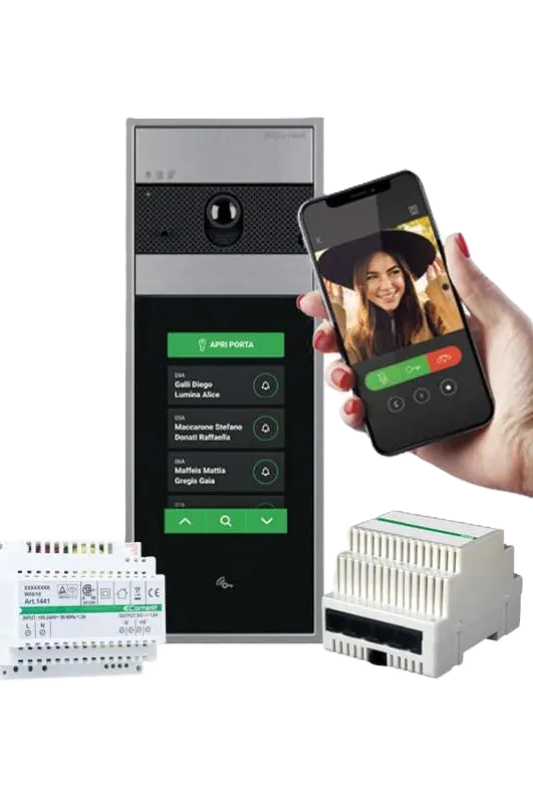
Repair is usually the right choice when most apartments work and parts are available. Replacement starts to make sense when the same problems keep coming back, parts are discontinued, the wiring is badly damaged, or tenants want video and phone access. Many buildings can move to a video entrance panel like the Comelit Ultra Touch while keeping existing apartment units, which costs less than replacing everything. We’ll give you an honest recommendation either way.
Why NYC Buildings Call DSS for Door Buzzer Repair
- Licensed and insured, so your property is protected while we work.
- Over 35 years of intercom and entry system work in New York.
- We fix the whole chain: buttons, stations, wiring, power, relays, strikes, and door alignment.
- Common parts in stock for older audio systems.
- Repair first: we only recommend replacement when it saves you money.
- A local office at 1541 E 46th Street in Brooklyn. Learn more about DSS.
Door Buzzers With Key Fobs and Keypads
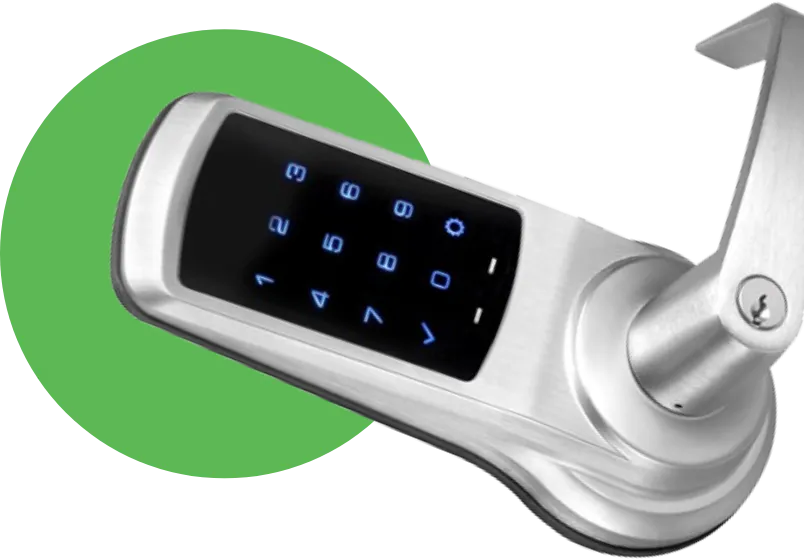
Many buildings pair the buzzer with a key fob reader or keypad, so residents and staff can enter without keys while visitors still buzz in. The fob reader or keypad usually controls the same electric strike as the buzzer, so a failed strike stops both. When we repair a buzzer, we test every way the door can be opened. A standalone keypad like the Aiphone AC-10S keypad is also a simple way to add code entry to a side door or gate.
Door Buzzer Repair in Co-ops and Condos
In co-ops and condos, the buzzer system usually belongs to the building, while the apartment stations may be the owner’s responsibility under the building’s rules. We work with managing agents, boards, and supers to confirm what’s being repaired, schedule access to apartments when needed, and document the work. Boards also often want a plan for aging systems, so we note which parts are close to the end of their life.
Two- and Three-Family Homes and Converted Buildings
Many NYC two- and three-family homes, and brownstones converted into several apartments, have a separate button and door release for each unit. Common problems include buttons wired to the wrong unit after renovations, a single transformer too small for the added units, and releases that open the wrong door. We trace each unit’s wiring, label it, and make sure every household buzzes in only its own visitors.
Where We Repair Door Buzzers
We repair door buzzers in neighborhoods across NYC, including Park Slope, Bay Ridge, Flatbush, and Sheepshead Bay in Brooklyn; the Upper East Side, the Upper West Side, and Harlem in Manhattan; Astoria, Jackson Heights, and Forest Hills in Queens; Riverdale and Pelham Bay in the Bronx; and St. George and Great Kills on Staten Island. See our pages for Brooklyn, Manhattan, Queens, the Bronx, Staten Island, and Long Island.
Door Buzzer Repair FAQs


