Manhattan
Manhattan buildings ask a lot of an intercom. Also, co-op boards want a clean, reliable entrance. Managing agents also want fewer tenant complaints. Doorman buildings need a system that works with the front desk, but walk-ups need one that works without it. Douglas Security System (DSS) installs and repairs intercoms across Manhattan. In addition, we have worked on New York intercom systems for over 35 years.
We handle everything from a single dead apartment station to a full video upgrade of a lobby. First, every job starts with a free quote. To schedule an inspection, call (212) 262-2820.

For broken systems, see our intercom repair page. For older audio systems, read our guide to audio-to-video upgrades.
A lobby upgrade in a Manhattan building has several moving parts. Before any work starts, we plan these steps with the board or managing agent:
After the installation, we test every apartment and every door release. Then we show the super or staff how the system works.
See all of our services.
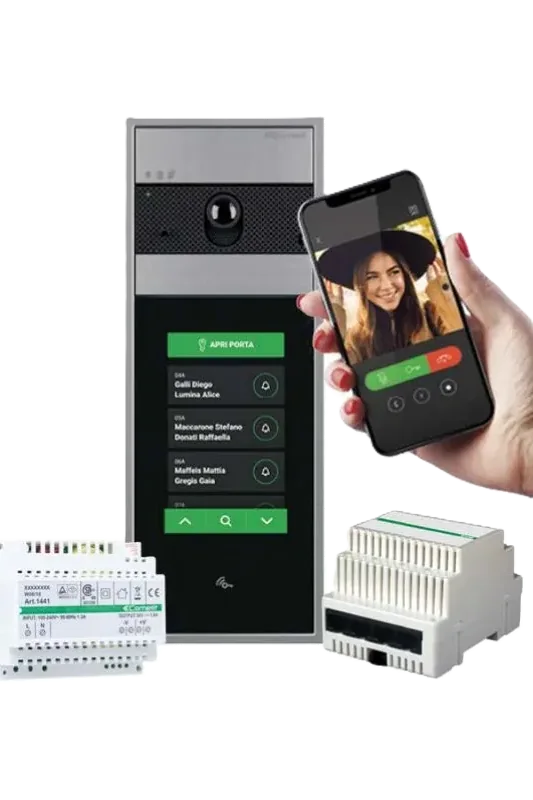
For co-ops and condos, a touch screen entrance panel with a tenant directory and app access keeps the lobby looking sharp. It also makes management easier. The Comelit Ultra Touch is a popular choice, and in many buildings it works alongside the existing apartment units. Larger buildings with many units and a front desk are often best served by the Aiphone GT Series. It supports guard and concierge stations. Buildings that want cloud access and facial recognition can instead use the DNAKE S617.
Walk-ups without a doorman have other options. Plus, temporary access codes for couriers help cut down on package theft. So do security cameras at the entrance.
Prices depend on the building, the number of apartments and entrances, and the condition of the wiring. Most single repairs cost about $250 to $600. For example, that means replacing one apartment unit or fixing a door release. A video intercom for a small building with one entrance typically costs about $4,000 to $5,000 or more. However, these are average New York prices, not a fixed price list. See our intercom cost guide for more detail. Also, ask about our no monthly fee systems.
Manhattan buildings follow New York City’s intercom rules. First, a Class A multiple dwelling built or converted after January 1, 1968, with eight or more apartments must have a working intercom. It needs two-way voice and door release. Older buildings must add one once a majority of tenants ask for it in writing. The rule comes from Section 50-a of the New York Multiple Dwelling Law. Read more about NYC intercom requirements.
We install and repair intercoms throughout Manhattan, so here are the neighborhoods we cover:
We also serve Brooklyn, Queens, the Bronx, Staten Island, and Long Island.
Many Manhattan buildings use telephone entry systems. A visitor finds a name in the lobby directory, and the system calls the resident’s phone instead of an apartment station. These systems are popular where running new wire to every apartment would be hard. Then the resident answers, talks to the visitor, and presses a key to open the door. Modern video panels like the Comelit Ultra Touch combine a touch screen directory with phone and app access. As a result, residents can see visitors too. We repair older telephone entry panels. However, when parts are no longer available, we help buildings choose a replacement.
Mixed-use buildings have shops on the ground floor and apartments or offices above. They often need a separate entry for each use. Next, we set up entrance panels, directories, and access codes. As a result, residents, office tenants, and staff each get in through the right door. We also connect cameras at the entrances. Office suites can add a desk station or app, so the front desk can see and admit visitors. Keypads like the Aiphone AC-10S keypad handle staff entry for back and service doors.
Yes, we work with co-op boards and managing agents across Manhattan and plan the equipment, finish, and schedule with them before we start. Co-ops usually need board approval for lobby changes, so decisions often come in stages: equipment first, then finish, then access dates. Planning with the managing agent also lets us settle lobby access and shutoff times with the super. Shareholders then know in advance when the intercom will be down.
Yes, systems like the Aiphone GT Series support guard and concierge stations, so the front desk can answer and screen visitors. A guard station receives the call from the entrance panel and lets the attendant speak with the visitor and release the door. That way, strangers do not wander past the desk in a Manhattan lobby. Residents can still answer from their own apartment units when the desk is busy, depending on how the system is set up.
We cover all of Manhattan, including the Upper East Side, Upper West Side, Harlem, Washington Heights, Midtown, Chelsea, the Village, and Lower Manhattan. Building types vary a lot across those areas, from prewar walk-ups to postwar elevator towers and converted lofts. Each type tends to have different cabling behind the walls, so the inspection tells us what your building actually has. Still, the neighborhood does not change how we quote. The equipment and wiring do.
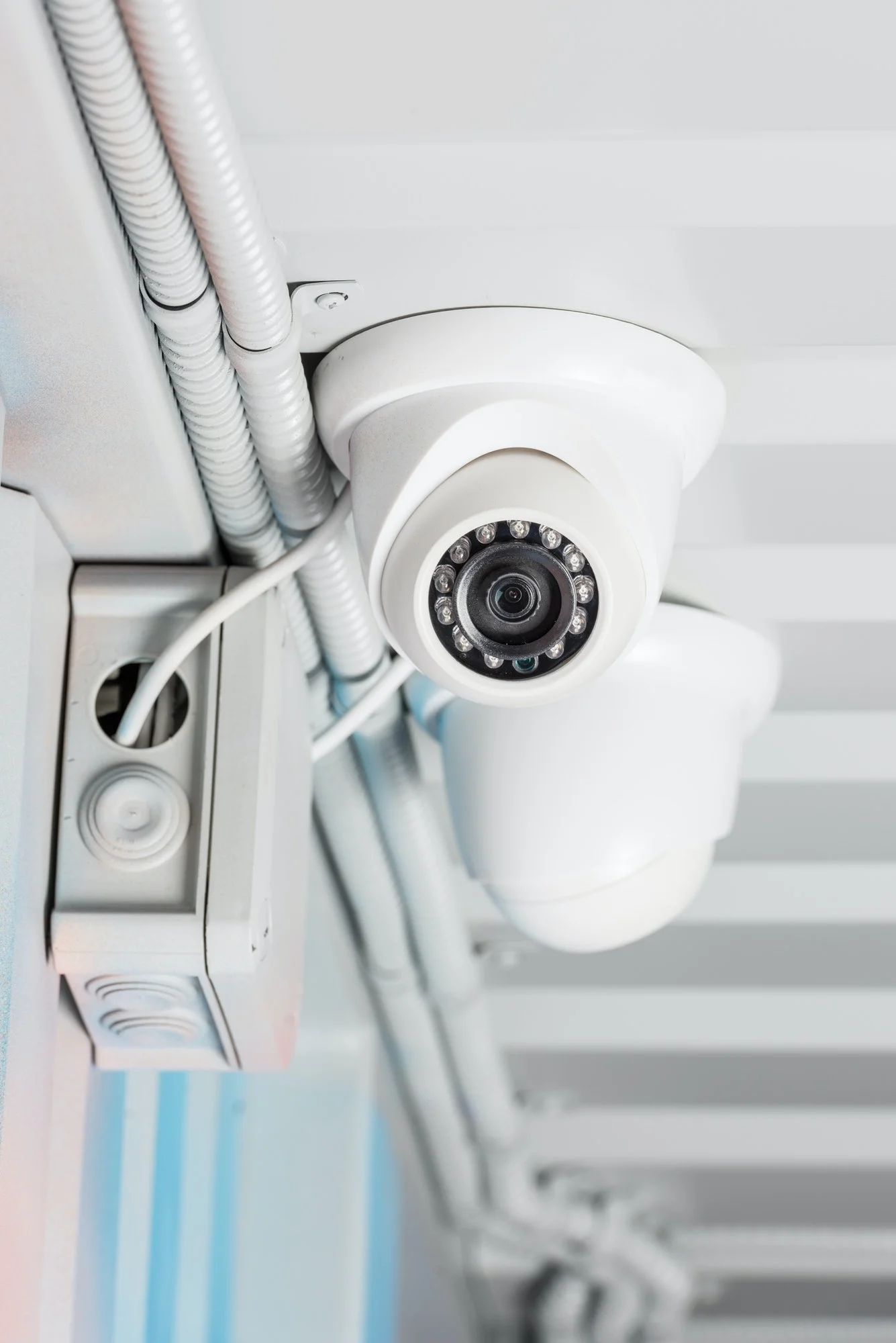
A video intercom with temporary access codes lets tenants give couriers a one-time code instead of buzzing in strangers. At the entrance, a camera also adds another layer of security. A one-time code stops working after it is used, so a driver cannot reuse it next week. The camera shows tenants who is at the door before they answer. Walk-ups with no doorman gain the most, because nobody else is there to screen the door.
Often, yes. So we choose panels and finishes that suit the facade. Exterior changes on designated landmarks may need approval from the NYC Landmarks Preservation Commission. Work inside a vestibule or lobby can be treated differently from work on the street face. Reusing an existing opening and picking a finish that matches the surrounding metal or stone keeps the change small. Find out whether your building is individually landmarked or in a historic district before ordering anything.
It depends on the building. Many entrance panel upgrades take a day or two of on-site work, while full video systems in larger buildings take longer. We give you a schedule with the quote. Most of the time goes to wiring: running cable, testing each apartment line, and swapping apartment units. Apartment access is the other factor, since every unit has to be reached. A tall building with many risers takes more days than a four-story walk-up.
Yes, our video intercom options include phone access, so residents can see visitors and open the door from their phones, even when they’re away from home. The visitor presses the panel button, and the call rings the resident’s phone through the app. That helps with deliveries, dog walkers, and family visits while nobody is in. The phone needs a data or Wi-Fi connection to receive the call.
Most single repairs cost about $250 to $600, and a video intercom for a small building with one entrance typically costs about $4,000 to $5,000 or more. These are average New York prices. We give you a free quote after an inspection. Repairs sit at the low end when the fault is one unit or door release. Costs climb with the number of apartments, the age of the wiring, and whether the lobby panel must be replaced. None of this is a fixed price.
In many buildings, yes. Our Comelit video intercom can run next to the intercom units you already have, so video and phone access can be added without rewiring the whole building. Manhattan buildings often have decades-old riser cable inside the walls that nobody wants opened, and reusing it avoids plaster and paint work in the hallways. We check the cable and apartment units at inspection. If one riser is damaged, we repair that section only.
Not with our Comelit systems. They’re a one-time investment with no monthly payment. Optional property management software and call-log servers are sold separately. If you are comparing intercom options for a Manhattan building, ask what any monthly fee actually pays for, since it is often cloud hosting or software rather than the intercom hardware. With Comelit, the hardware is purchased once, and only the optional software add-ons are extra.
On Comelit video intercom installs, we offer a 3-year guarantee on Comelit material and a 1-year guarantee on service and labor. For a co-op or condo board, that means the longer term protects the equipment, such as the lobby panel and apartment units, while the shorter one covers our workmanship. Boards often want these terms in the file before voting, so confirm them against your written quote.
Call (212) 262-2820 or use the form on this page. Tell us about the property and what isn’t working, and we’ll schedule an inspection. For a Manhattan building, it helps to mention the number of apartments, whether there is a doorman, and if the building is a co-op. We look at the panel, wiring, and apartment units on site. Then we send a free written quote, and you decide whether to go ahead.